
SOUTH AFRICA

Cederberg landscape with cultivated rooibos tea (Aspalathus linearis) in the foreground. (Photo: Loubie Rusch)
An arid, mountainous area located along the west coast of South Africa, the Cederberg is richly endowed with a diversity of indigenous plant and animal species, many endemic. The Cederberg’s valleys were once traversed by Khoikhoi pastoralists, who highly prized their livestock. Milk was an important foodstuff, but the Khoikhoi also relied on their intimate knowledge of the veld and its food sources such as berries, reed stems, tubers, bulbs, wild honey, termites, and small mammals.
This knowledge and way of life was disrupted by the arrival of European settlers in the 17th century who annexed the land and enslaved the Khoikhoi. During the colonial period, followed by apartheid, the Khoikhoi worked as laborers on farms or lived in mission stations. They intermarried with San, slaves, and Europeans, and adopted practices from the dominant European culture such as bread making in outdoor clay ovens. Today, many Khoikhoi descendants still reside in the Cederberg area, but their traditional foodways are being undermined by restrictive conservation policies, privatization of land for elite tourist attractions, and increased access to cheap, highly processed foods with low nutritional value.
To help support endangered traditional foodways, local peoples’ interest in the indigenous resources found in their surroundings was rekindled through a multidisciplinary project, Co-creating Wild Foods Livelihoods in the Cederberg Mountains.
This project has now closed, but it lives on in various forms. This includes the establishment of FynbosMengsels, a collective of local knowledge custodians, who, inspired by the project, are now conducting regular, ongoing meetings where they share their love of indigenous plants and experiment with a hybrid of modern and traditional recipes for food and personal care products. On-going research investigating Cederberg foodways, and links between the landscape, food and identity is being undertaken by a Doctoral student based at the University of Cape Town.
FynbosMengsels and their collaborators are working to revive and stimulate interest in contemporary Khoikhoi heritage and traditional foodways by:
Cooking for visitors and tourists, using a hybrid of modern and traditional methods, with locally produced and indigenous foods.
Experimenting and co-developing ways of preserving wild foods, thereby extending their shelf-life.
Introducing agroecological cultivation of indigenous plants for potential markets.
Expanding on the current range of culinary and medicinal products which FynbosMengsels sells.
Documenting local peoples’ recipes and compiling them into an illustrated recipe book.
Showcasing the work of FynbosMengsels at the annual Wild Flower Festival held in Clanwilliam.
Video documentation
Kosbaar – Foodways Across Ecosystems in the Northern Cederberg
Video Series
People and Plants International, in collaboration with the University of Cape Town, has co-produced a series of short films that capture local food practices and the voices of their custodians, as part of a long-term, community-driven research partnership, centering participatory media. The series explores how film can support cultural preservation and intergenerational knowledge-sharing, fostering grounded, community-led ways of documenting and valuing traditional food knowledge. The series presents a range of Indigenous Plant Wisdom, including the production Gharra Beer, Rooibos, Wild Honey, Sourdough bread, and others.
New Article
Bio-economy Research Chair – UCT
An article published by the Bio-economy Research Chair, University of Cape Town, presents the recent field work of PPI Affiliate Eva Ross in the Cederberg, South Africa, including food-based activities, participatory mapping, nature walks, talking circles, and a vision board process.
Held by the Veld: Relational Research, Memory Embodied in Place, and Dreaming Forward can be found here.


Making waterblommetjie stew. (Photo: Loubie Rusch)

An outdoor event of the Co-create Project. (Photo: Loubie Rusch)

Anna Hein studying a book on indigenous flora. (Photo: Loubie Rusch)
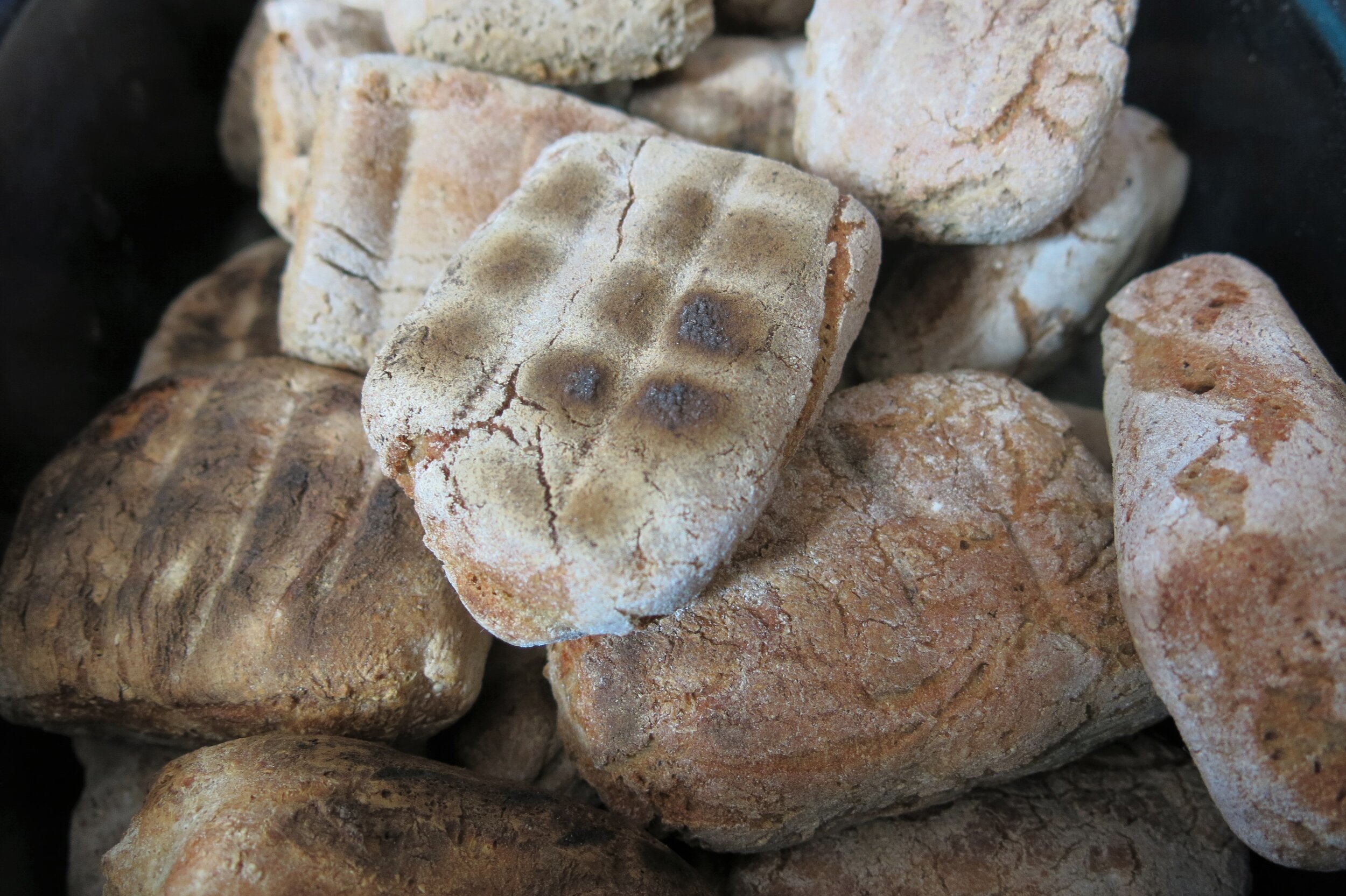
Roosterkoek - traditional bread made over the coals. (Photo: Loubie Rusch)
The Team
Rachel Wynberg, Tracy du Plessis, Loubie Rusch, Jaci van Niekerk, Eva Ross and the Cederberg-based communities of Vleiplaas, Heuningvlei, Grasvlei, Kleinvlei and Wupperthal.
A number of the FynbosMengsels members are depicted in the photographs below.

Jerome Jantjies

Siena van der Ross

Andries Koopman

Annelies van der Ross

Maria Oktober
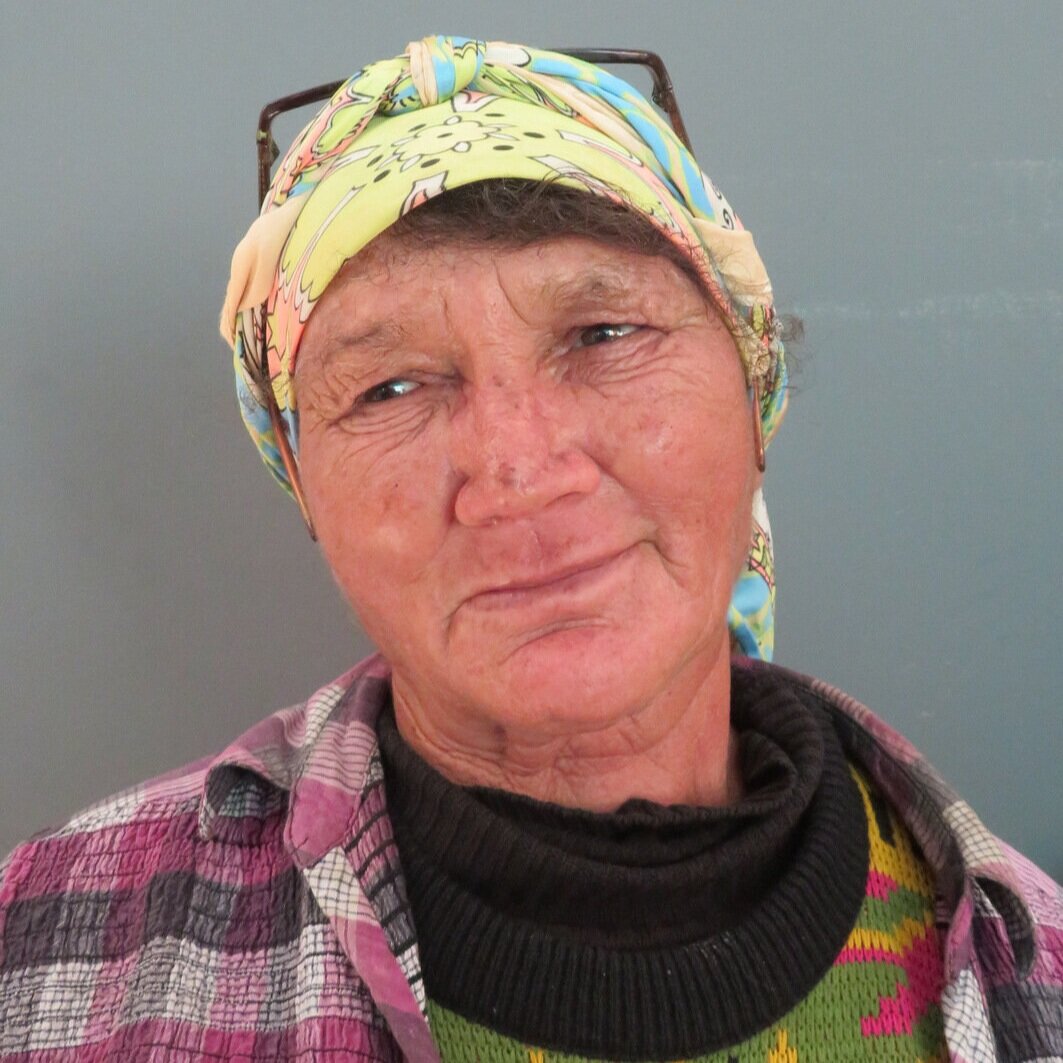
Lena Wilschut

Tracy du Plessis

Dora van der Ross

Elzaan Hein

Quinton Hein

Marcelino Oktober

Anna Hein
Partners


The Bio-economy Research Chair at the University of Cape Town, FynbosMengsels, Making KOS