
Steering Committee

Miguel Alexiades
Co-Director
Miguel has conducted research in Amazonian ethnobotany, ethnoecology, community health and medicinal plants since 1985. He has collaborated extensively with the regional indigenous federation of Madre de Dios, Peru, working as a facilitator and trainer, and carrying out applied research. Much of his research and applied work has revolved around Ese Eja land and resource rights in the border areas of Peru and Bolivia. Miguel is a senior lecturer in ethnobotany and environmental anthropology at the School of Anthropology and Conservation, University of Kent (UK). ResearchGate.
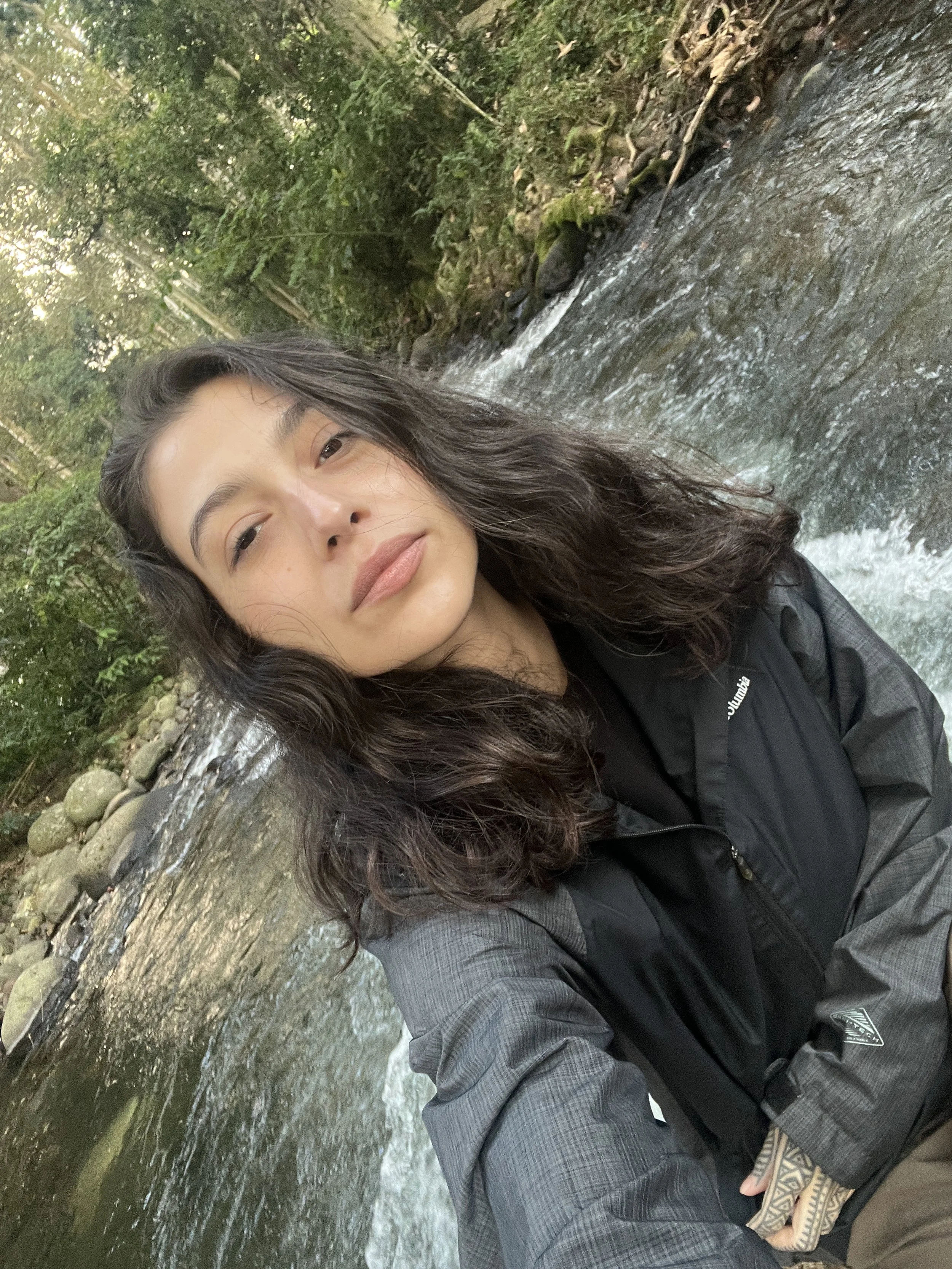
GABRIELA ALVAREZ ANAYA
Coordinator – Email to: coordinator@peopleandplants.org
Linguistic anthropologist and photographer. Gabriela is a video editor and producer for People and Plants Cultural Landscapes and Community Conservation and Traditional Foodways programs. She also coordinates the Knowledge Exchange Program activities, and the Small Grants program with People and Plants’ collaborators and partners around the world.

Melvin Guilleno
Melvin has been working with indigenous communities since 2011 through his involvement with the Assisi Development Foundation, indigenous Aeta communities of Tarlac province, and the National Commission for Indigenous Peoples (NCIP). He serves as the National Coordinator for SPNKK and oversees the various activities implemented by Negrito communities in the Philippines.

Sarah Laird
Co-Director
A forester and ethnobiologist by training, Sarah’s interests cover a range of inter-related issues, including forest-based traditional knowledge and livelihoods, biodiversity policy, emerging technologies, and the ethical and conservation dimensions of the commercial use of biodiversity. Since the mid-1990s, Sarah has collaborated with local communities around Mt Cameroon on ethnobiological research and knowledge exchange programs to support and conserve threatened traditional management practices and cultural forests. Sarah’s current policy work includes that on the ethical and conservation implications of transformative scientific and technological advances, particularly within the framework of the Convention on Biological Diversity. ResearchGate

Jessica Lavelle
Jessica is a researcher and policy analyst with a background in ecology, conservation, human geography and anthropology. She has a special interest in the governance of biodiversity among rural communities in southern Africa, working on a range of projects on wild harvesting, traditional foodways and conservation. She is a Research Associate of the Bioeconomy Research Chair at the University of Cape Town and also convenes the Post Growth Fellowship at the Post Growth Institute exploring economic alternatives to capitalism.

Citlalli Lopez
Citlalli is a social anthropologist with extensive experience in mountainous biocultural regions, in particular the Sierra Norte de Puebla and the Sierra de Zongolica. She has worked over the past 20 years on socio-cultural, environmental and institutional aspects of the use and management of forest and agroforestry systems, with a focus on handicrafts and non timber forest products. Citlalli co-authored the series of books Riquezas del Bosque, published by CIFOR and directed at the needs of civil society. Currently, she is Coordinator of the Tropical Research Center, CITRO, of the University of Veracruz and collaborates with several NGOs, research centers and local associations on socio-cultural issues related to biological diversity, traditional ecological knowledge, and cultural landscapes. ResearchGate
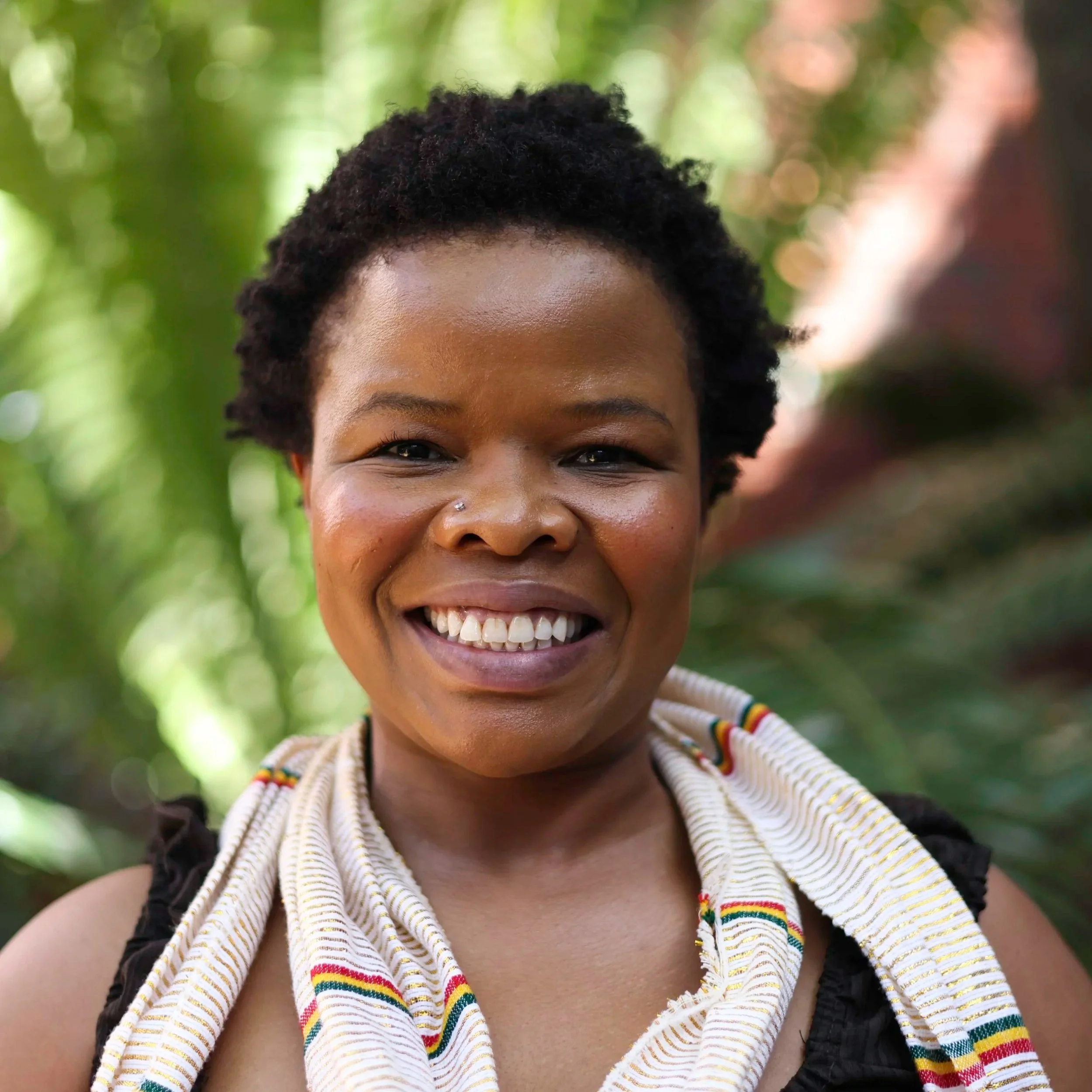
Sthembile Ndwandwe
Sthembile is a postdoctoral research fellow of the Bioeconomy Research Chair at the University of Cape Town (UCT), and is also part of the Rethinking Biodiversity-Based Economies for Conservation and Equity program. She is particularly interested in engaged scholarship, digital ethnography, Access and Benefit Sharing (ABS), the intersection of race, biodiversity commercialisation and justice in postcolonial societies, epistemic exclusion in global biodiversity use, socio-ecological implications of cultivation, black geographies, and rural development.

Patricia Shanley
Patricia has thirty years of experience in temperate and tropical research and education, specifically on non-timber forest products (NTFPs). During the past twenty years she has worked with forest-based communities in the eastern Amazon, concentrating on the impacts of logging on locally-valued fruit and medicinals, and the comparative economic value of timber and non-timber species for rural communities. Patricia is currently Program Director at Woods and Wayside International. ResearchGate